
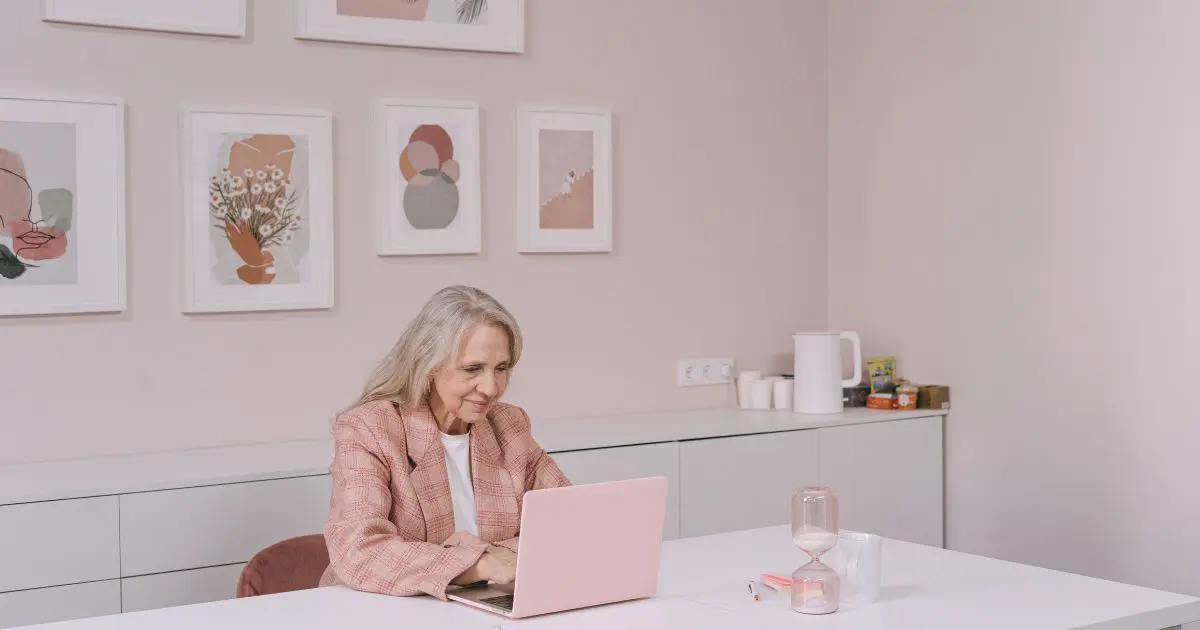
How to Create a Meaningful Life After Retirement by Following Your Passion
Retirement can open the door to a life that fits your values rather than your calendar.
Work gives you structure, goals, and a community, and stepping away can feel like stepping into a wide, quiet room.
That space gives you the chance to build days around the interests that always mattered, from music and gardening to mentoring and crafts. You get to choose a rhythm that feeds your health, your mind, and your relationships.
With a clear plan, those interests can anchor purpose, spark new friendships, and create steady momentum that makes each week feel worthwhile. Here are some ways to achieve that:
Creating a Meaningful Life After Retirement
Redefining Identity Beyond Work
Careers shape how people talk about themselves.
A title can become shorthand for who you are and where you belong. After the final workday, the question shifts from what you did to what you do with your time now.
Hobbies and personal projects help answer that question. They let you claim an identity that fits your current stage of life.
The painter, the woodworker, the language student, the neighborhood volunteer, or the grandparent who runs a weekly chess club – each role can feel both true and energizing.
Start by listing two or three interests that always leave you feeling better after you do them. Give each one a small goal for the next thirty days, like finishing a set of sketches or recording a short podcast for family.
Track your progress in a simple notebook. Progress builds pride, and pride builds identity.
When you look back on a month of steady effort, you see proof that your days carry shape and meaning.
Turning Interests Into Daily Structure
Passion needs a place on the calendar. Without time blocked, even great intentions drift.
Pick a morning or afternoon window for focused hobby time, then protect it the way you protected meetings during your career.
Many retirees test ideas in small, low-pressure ways before going bigger. You can learn how to turn your hobby into a post-retirement side business with practical steps that fit a comfortable pace.
Start with one tiny offer, like selling a batch of handmade cards or opening a limited coaching slot.
Add a simple weekly review. Ask three questions:
- What did I enjoy most?
- What created friction?
- What will I try next week?
That five-minute check-in keeps you honest and engaged. It turns a loose wish into a living routine.
As your routine takes root, you’ll notice more energy in the rest of your day. Meals taste better, sleep improves, and errands feel lighter when you know you made time for what matters.
Community, Connection, and Purpose
Passions connect you with people who speak the same language of interest. A new pickleball partner, a quilting circle, or a local writing group can turn a hobby into a community.
Conversation flows when you share a task, swap techniques, and celebrate small wins. Connection reduces loneliness, which supports both mental and physical health in later life.
Look for local clubs, community centers, libraries, and continuing education programs. Many towns host open studio nights, reading groups, or park cleanups. Online groups can fill gaps when distance or mobility makes travel a challenge.
The key is to show up and participate. Offer help to a newcomer, share a tip, and ask someone about their project. Purpose grows when you contribute.
Health Gains from Active Hobbies
Your body responds quickly to regular movement. Gardening, dancing, cycling, tai chi, and brisk walks all qualify as real exercise.
The Centers for Disease Control and Prevention recommends at least 150 minutes of moderate aerobic activity each week for adults, plus muscle-strengthening activity on two or more days.
Meeting that guideline with enjoyable hobbies makes it easier to stick with the plan. Pair walking with photography. Join a community garden. Take a beginner dance class with a friend and count every session toward your weekly minutes.
Food, sleep, and stress often improve when your days include purposeful activity. You feel proud after a workout or a productive hour in the workshop, and that pride can nudge you toward better choices at dinner.
Aim for small, repeatable wins. Keep comfortable shoes by the door. Lay out your pickleball paddle the night before. Keep a water bottle in the car. These cues make action likely.
When your hobby supports fitness, and fitness supports your hobby, you get a loop that sustains health and motivation. This, in turn, leads to a meaningful life after retirement.
Learning Keeps The Mind Sharp
Curiosity keeps your brain engaged. New chords on the guitar, a fresh language, or a course in local history all demand focus and practice.
That effort builds mental strength in the same way squats build leg strength. Learning gives you measurable progress and moments of surprise, both of which feel good at any age.
Set learning goals that stretch you a little.
Read a chapter, practice scales for fifteen minutes, or complete one online module before lunch. Track streaks and reward milestones with small treats, like a museum visit or a coffee with a friend from class.
Variety helps too. Alternate between skill building and pure enjoyment, like playing a favorite song after tackling a tough exercise. Curiosity pairs well with community. Join a study group or find a practice buddy.
Teaching a concept back to someone else locks it in and deepens your sense of mastery, which feeds confidence across your week.
Designing a Gentle Routine That Sticks
A routine that honors your energy wins the long game. Mornings might suit painting or writing, while afternoons might favor social activities or errands.
Notice when you feel sharp and schedule focus time there. Keep your plan visible on a wall calendar or a simple weekly sheet on the fridge. Cross off each session to build a chain of wins you will not want to break.
Treat friction like a design problem. If you skip a walk because your shoes feel uncomfortable, visit a running store for a proper fit. If you miss guitar practice because the case sits in a closet, keep the guitar on a stand in the living room. Reduce setup time so you can start quickly.
Protect rest as part of the plan. Many retirees thrive on a rhythm that mixes activity and recovery: a focused morning, a social afternoon, and a quiet evening with reading or light stretching.
When your routine respects who you are, it becomes a friendly frame for days that feel both calm and productive.
Meaningful life after retirement grows from daily acts that match your values. Passions give your days shape, draw good people into your life, and support your health. Set a routine, keep your goals visible, and review your progress each week.
Start small, stay curious, and build on what works. The result is a life that feels rich, connected, and truly your own.


